






The year 2026 was supposed to be the year businesses finally “figured out” digital. With cloud infrastructure commoditised, AI tools in every browser tab, and no-code platforms promising instant transformation, the roadmap seemed clear. But as organisations charge forward, a sharper truth has surfaced. While anyone can launch a product, not everyone can lead a transformation. Digital innovation isn’t about having the right software — it’s about building the right culture, strategy, and thinking to make that software mean something.
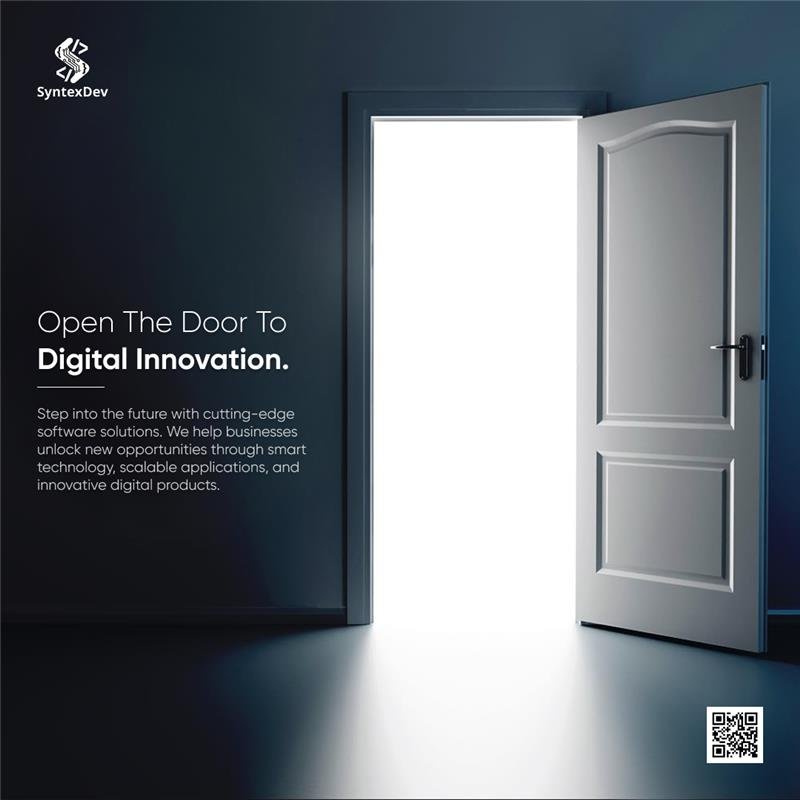
1. The Opportunity: Why the Door Is Wide Open
The conditions for digital innovation have never been more favourable. The infrastructure is mature, the tools are accessible, and the talent pool is global.
- Lowered Barriers to Entry: Cloud platforms, AI builders, and open-source ecosystems mean a two-person startup can deploy the same quality infrastructure as an enterprise with a hundred IT staff.
- Speed as a Competitive Weapon: What once required a six-month development cycle and a six-figure budget can now be prototyped, tested, and shipped in weeks — sometimes days.
- Data as the New Raw Material: Every customer interaction, every transaction, and every click is a signal. Organisations that have stepped through the digital door are sitting on datasets that compound in value every single day.
2. The Fallacy: "Going Digital" Is Not the Same as "Being Innovative"
The danger of the current moment is the illusion of transformation. Installing new software is not innovation. Launching an app is not innovation. True digital innovation is a shift in how an organisation thinks, decides, and adapts — and most businesses are still just repainting the walls.
- The Digitalisation Trap: Digitising a broken process gives you a broken process that runs faster. Without reimagining the underlying workflow, technology becomes an expensive layer on top of an old problem.
- The Vanity Metric Problem: Many organisations measure digital success by the number of tools adopted, dashboards built, or social posts scheduled — not by actual business outcomes. Activity is mistaken for progress.
- The Silo Effect: Digital tools deployed in isolation — one system for sales, another for operations, another for customer service, none of them talking to each other — create a fragmented experience that frustrates customers and paralyzes internal teams.
3. The Innovator's Mindset: The Real Engine of Change
What separates organisations that genuinely innovate from those that merely digitise? It is not budget. It is not headcount. It is a specific way of thinking about problems, systems, and possibilities.
- Problem-First Thinking: True digital innovators start with a sharp, honest diagnosis of the problem before they ever open a browser to look for a solution. The question is never “what tool should we use?” — it is always “what outcome are we actually trying to achieve?”
- Comfort with Iteration: Digital innovation is not a project with a launch date and a ribbon-cutting ceremony. It is a continuous loop of building, measuring, learning, and improving. Organisations that demand perfection before shipping deliver nothing.
- Systems-Level Vision: The most powerful digital thinkers don’t see apps, they see ecosystems. They understand how a change in one part of the business creates ripple effects everywhere else — and they design for that interconnection from the very beginning.
4. The 2026 Reality: The Rise of the Digitally Intelligent Organisation
By 2026, the most successful businesses aren’t simply “digital businesses” — they are Digitally Intelligent Organisations. The distinction matters enormously.
- AI-Augmented Decision Making: The leading organisations of 2026 don’t use AI to replace human judgment — they use it to sharpen it. Real-time data, predictive models, and intelligent automation give their teams the clarity to act faster and with greater confidence.
- The Human-Technology Partnership: The companies winning right now understand that technology handles scale and speed, while humans handle context and creativity. The organisations that get this balance right are unlocking productivity that their competitors cannot replicate by buying software alone.
- Innovation Governance: As digital tools become more powerful and more accessible, the organisations that thrive are those that have built clear frameworks for how innovation happens — who can build what, how it gets reviewed, and how it connects to broader strategy. Freedom to innovate without structure is just expensive chaos.
Final Thought: The Tool is Not the Craftsman
In 2026, having access to digital tools doesn’t make you a digital innovator, just as owning a piano doesn’t make you a musician.
The digital revolution is the single greatest opportunity most organisations will ever have to fundamentally reimagine what they do and how they do it. But the opportunity only converts into advantage for those who walk through the door with intention — with a clear strategy, an honest assessment of where they are, and the discipline to keep moving even when the path gets complex. The door to digital innovation is open. The only question is whether you have the mindset to step through it.