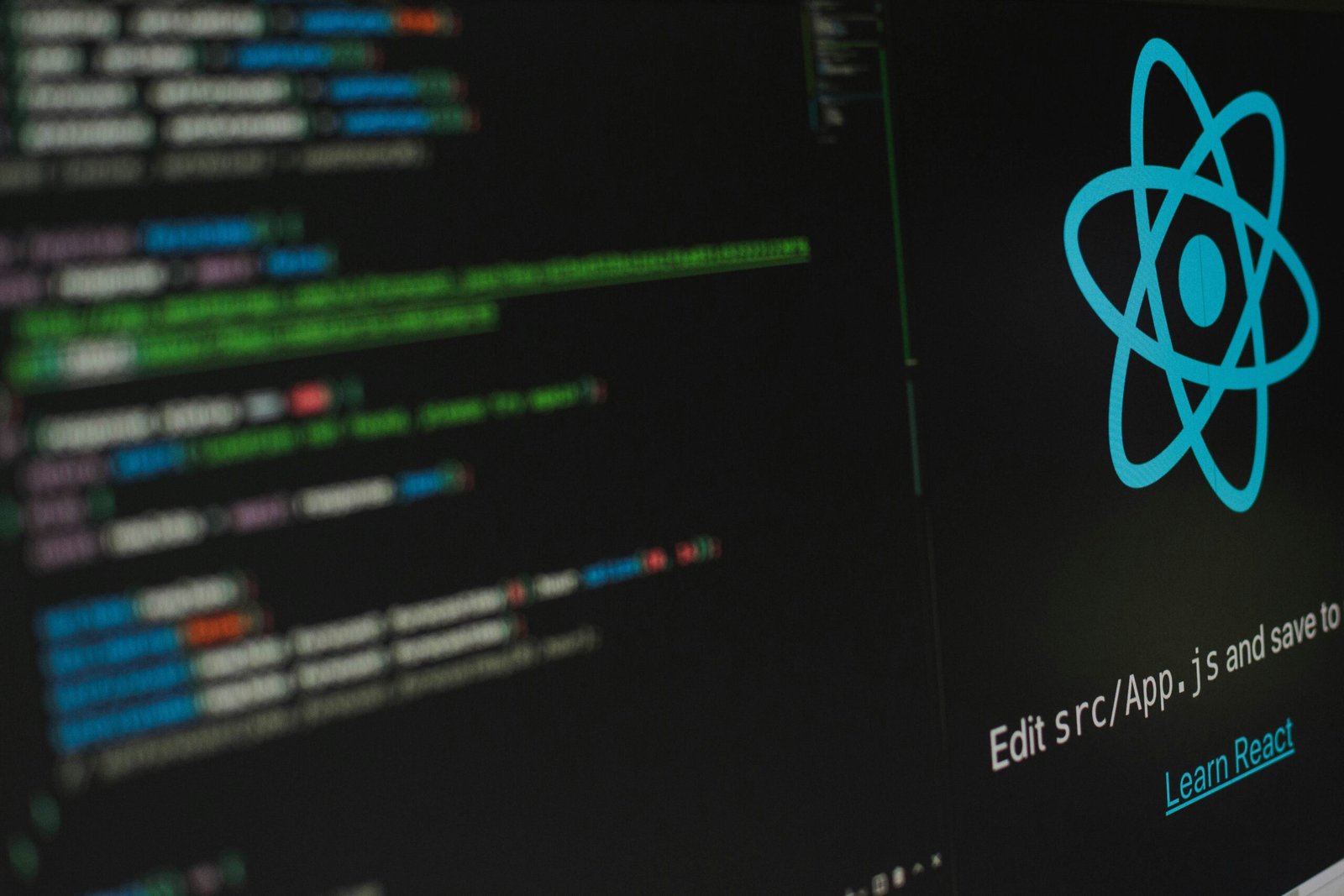
At SyntexDev, our MERN Stack Development Services harness the full power of MongoDB, Express, React, and Node.js to build applications that don’t just work — they excel. By adopting a TypeScript-First approach from day one, we ensure your platform is architected for maximum stability, sub-50ms performance, and seamless AI integration. Consequently, you get a codebase that is production-ready, scalable, and built to handle millions of users without breaking a sweat. We bridge the gap between startup speed and enterprise reliability, so your team ships faster without sacrificing quality.
Most development teams choose either speed or stability. Our MERN Stack Development Services, however, are engineered to deliver both simultaneously. We achieve this through three non-negotiable engineering principles that guide every project we build.
One Language, One Type System: We use TypeScript across the entire stack to enforce total data consistency from your database layer all the way to your UI. As a result, type mismatches and runtime errors become virtually impossible.
AI-Native Architecture: Rather than treating MongoDB Atlas as a simple database, we configure it as a vector store. This allows us to build AI memory directly into your data layer, enabling powerful features like semantic search and personalized recommendations from the start.
Modular Engineering: Every component we build is designed for reusability. Therefore, future feature rollouts are faster, technical debt stays low, and your internal teams can extend the codebase without friction.
We have eliminated plain JavaScript from our production workflow entirely. By enforcing TypeScript contracts between your frontend and backend, we prevent 90% of common bugs before they ever reach production. Furthermore, this approach makes refactoring safe and ensures your codebase is self-documented by design, so your internal teams can scale it confidently without needing extensive onboarding.
We leverage React 19 and React Server Components (RSC) to deliver near-instant page loads on every device. By shifting heavy data-fetching to the server and minimizing JavaScript sent to the browser, we ensure your users enjoy an app-like experience with zero lag. Moreover, our component architecture is built for reuse, so your UI scales as fast as your user base does.
Our backend engineering prioritizes non-blocking I/O and event-driven architecture to maximize throughput. We design RESTful and GraphQL APIs that handle thousands of concurrent requests without performance degradation. Whether you are processing global payments or streaming real-time sensor data, our Node.js systems deliver high throughput and consistently low latency under pressure.
We do not just store data — we optimize its entire flow through your system. From intelligent Schema Design decisions (Embedded vs. Referenced) to high-performance Aggregation Pipelines, we ensure your MongoDB instance is tuned for speed at every query. Additionally, for global scale, we implement Sharding and Multi-Region clusters to keep your data physically close to your users worldwide.
In 2026, data must be intelligent, not just stored. We utilize MongoDB Atlas Vector Search to store AI embeddings directly alongside your traditional data. As a result, you can build semantic search engines, personalized recommendation systems, and RAG-based AI assistants natively within your core database layer — without adding a separate AI infrastructure.
We avoid Big Ball of Mud architectures by design. Instead, we build using either a Modular Monolith or a Microservices approach, depending on your scale requirements. This ensures a traffic surge in one area — such as your checkout process — never degrades performance in another area like your user dashboard. Furthermore, each module deploys independently, so releases are faster and safer.
For applications that simply cannot wait for page refreshes, we implement real-time communication using Socket.io and native WebSockets. From live financial dashboards to collaborative editing tools and instant messaging systems, we ensure your users see every update the millisecond it happens. Consequently, your product feels alive and responsive rather than static and slow.
Security is not an afterthought in our MERN Stack Development Services — it is built into the foundation. Our implementations include JWT authentication with secure rotation policies, Role-Based Access Control (RBAC), and automated input sanitization across all endpoints. Therefore, your application is protected against the OWASP Top 10 vulnerabilities by default, ensuring compliance and user trust from launch day.
MERN is the best choice if you need high flexibility, a rich UI, and fast development cycles. Because it uses one language (JavaScript/TypeScript) throughout, development is faster and more cost-effective than stacks that require different experts for frontend and backend.
Absolutely. Many global platforms (like Netflix and eBay) use components of the MERN stack. When combined with AWS Auto Scaling and proper MongoDB Indexing, MERN can support millions of concurrent users with ease.
Plain JavaScript is prone to “silent errors” that show up only when a user is on the site. TypeScript finds these errors during development. It makes your code more reliable and easier to understand for other developers, which is critical for long-term projects.
While traditional “Single Page Applications” (SPAs) can struggle with SEO, we solve this by using Server-Side Rendering (SSR) or Static Site Generation (SSG) via frameworks like Next.js. We ensure that search engine crawlers can read your content immediately upon page load, resulting in high rankings and fast “First Contentful Paint” times.
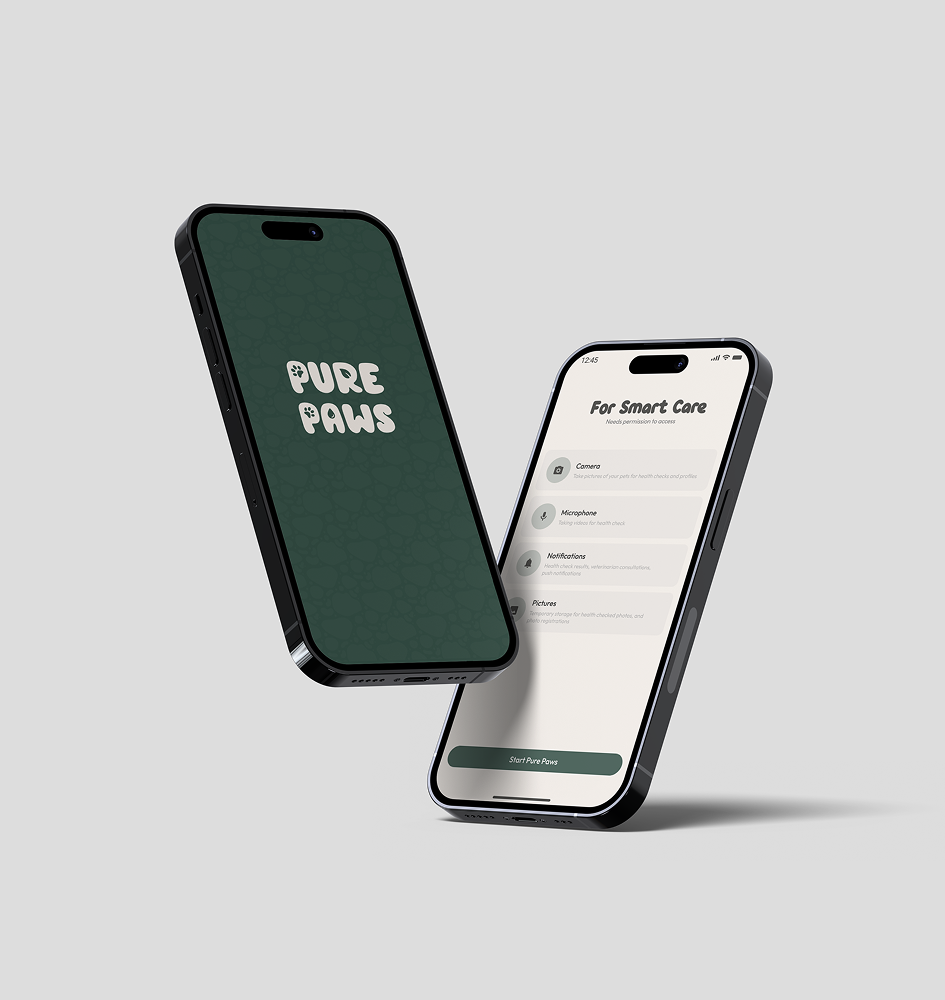
Absolutely. Because we build your backend as a decoupled REST or GraphQL API, the same “engine” that powers your website can power a mobile app. We can utilize React Native to leverage your existing React frontend logic, allowing us to launch iOS and Android apps with up to 90% code reuse, significantly reducing your development costs.
We architect for “Horizontal Scaling.” Instead of just getting a bigger server, we use MongoDB Sharding to distribute your data across multiple clusters. We also implement advanced caching layers using Redis for frequently accessed data, ensuring that your app remains just as fast with 10 million users as it was with 10.
© 2026 Syntex Dev | Alrights reserved.